


Sustainable bedding
Shop by category


Dark Brown
Natural Dune
Fresh White
Classic Taupe
Blush Pink
Warm Grey
Faded Blue
Forest Green
Available in 8 colors
Dark Brown
Natural Dune
Fresh White
Classic Taupe
Blush Pink
Warm Grey
Faded Blue
Forest Green
 Cosy on cold nights
 Recycled microfibre


Fresh White
Honey Glow
Sage Green
Soft Pink
Warm Taupe
Available in 5 colors
Fresh White
Honey Glow
Sage Green
Soft Pink
Warm Taupe
 Cool on warm nights
 100% Tencel™ Lyocell
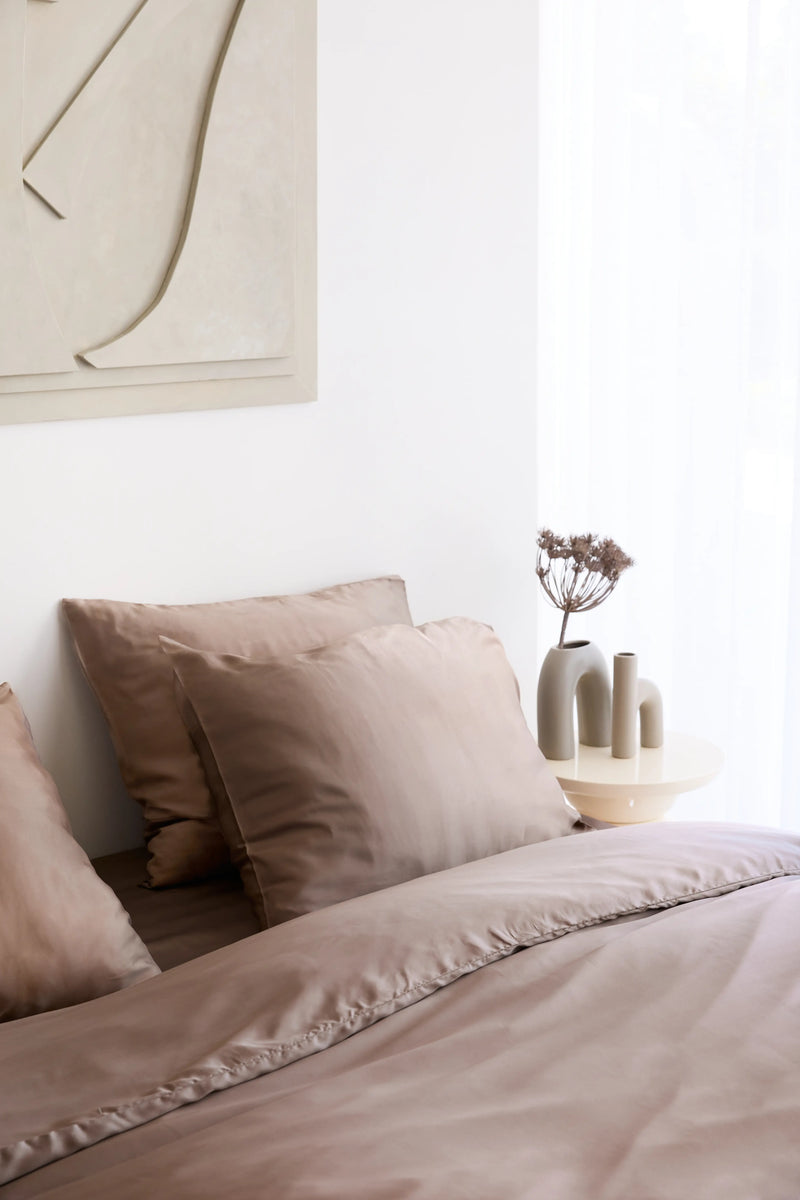
Three fabrics, one standard
From ultra-soft microfibre to organic cotton sateen. Every material is tested for harmful substances and made to last.
- OEKO-TEX®
- GOTS
KIDS


Faded Blue
Natural Dune
Forest Green
Blush Pink
Classic Taupe
Available in 5 colors
Faded Blue
Natural Dune
Forest Green
Blush Pink
Classic Taupe
Cosy on cold nights
Recycled microfibre


Dark Brown
Natural Dune
Fresh White
Classic Taupe
Blush Pink
Warm Grey
Faded Blue
Forest Green
Available in 8 colors
Dark Brown
Natural Dune
Fresh White
Classic Taupe
Blush Pink
Warm Grey
Faded Blue
Forest Green
Cosy on cold nights
Recycled microfibre


Burgundy
Dark Brown
Natural Dune
Fresh White
Classic Taupe
Blush Pink
Warm Grey
Faded Blue
Forest Green
Natural Dune & Fresh White
Available in 10 colors
Burgundy
Dark Brown
Natural Dune
Fresh White
Classic Taupe
Blush Pink
Warm Grey
Faded Blue
Forest Green
Natural Dune & Fresh White
Cosy on cold nights
Recycled microfibre
NEW


Warm Taupe
Fresh White
Light Blue
Sand
Available in 4 colors
Warm Taupe
Fresh White
Light Blue
Sand
 Breathable, every season
 Organic Cotton


Fresh White
Honey Glow
Sage Green
Soft Pink
Warm Taupe
Available in 5 colors
Fresh White
Honey Glow
Sage Green
Soft Pink
Warm Taupe
Cool on warm nights
100% Tencel™ Lyocell


Dark Brown
Natural Dune
Fresh White
Classic Taupe
Blush Pink
Warm Grey
Faded Blue
Forest Green
Available in 8 colors
Dark Brown
Natural Dune
Fresh White
Classic Taupe
Blush Pink
Warm Grey
Faded Blue
Forest Green
Cosy on cold nights
Recycled microfibre
NEW


Warm Taupe
Fresh White
Light Blue
Sand
Available in 4 colors
Warm Taupe
Fresh White
Light Blue
Sand
Breathable, every season
Organic Cotton


Fresh White
Honey Glow
Sage Green
Soft Pink
Warm Taupe
Available in 5 colors
Fresh White
Honey Glow
Sage Green
Soft Pink
Warm Taupe
Cool on warm nights
100% Tencel™ Lyocell
NEW


Warm Taupe
Fresh White
Light Blue
Sand
Available in 4 colors
Warm Taupe
Fresh White
Light Blue
Sand
Breathable, every season
Organic Cotton
NEW

Warm Taupe
Fresh White
Light Blue
Sand
Available in 4 colors
Warm Taupe
Fresh White
Light Blue
Sand
Breathable, every season
Organic Cotton
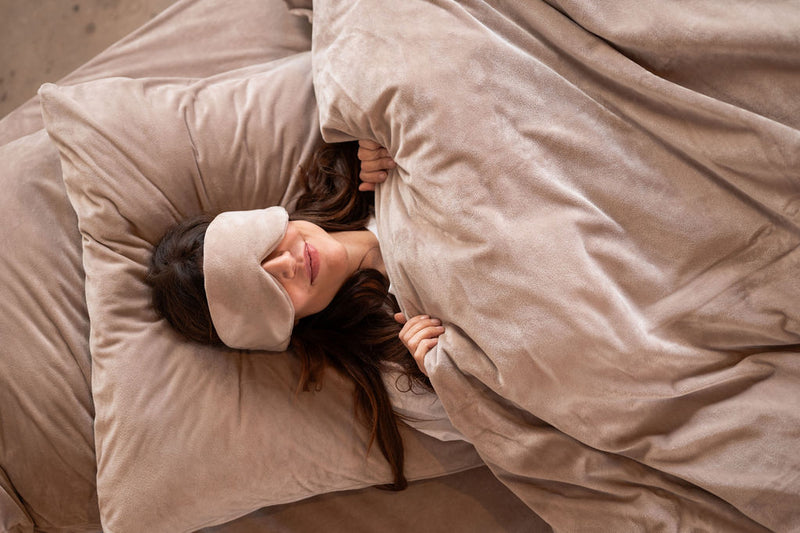
Save 20% with a bundle
Duvet cover, pillowcases and a matching fitted sheet, together in one bundle.
Shop the bundle

Burgundy
Dark Brown
Natural Dune
Fresh White
Classic Taupe
Blush Pink
Warm Grey
Faded Blue
Forest Green
Available in 9 colors
Burgundy
Dark Brown
Natural Dune
Fresh White
Classic Taupe
Blush Pink
Warm Grey
Faded Blue
Forest Green
Cosy on cold nights
Recycled microfibre
NEW


Warm Taupe
Fresh White
Light Blue
Sand
Available in 4 colors
Warm Taupe
Fresh White
Light Blue
Sand
Breathable, every season
Organic Cotton
TOPPER SHEET


Warm Taupe
Fresh White
Light Blue
Sand
Available in 4 colors
Warm Taupe
Fresh White
Light Blue
Sand
Breathable, every season
Organic Cotton
New


Burgundy
Dark Brown
Natural Dune
Fresh White
Classic Taupe
Blush Pink
Warm Grey
Faded Blue
Forest Green
Available in 9 colors
Burgundy
Dark Brown
Natural Dune
Fresh White
Classic Taupe
Blush Pink
Warm Grey
Faded Blue
Forest Green
Cosy on cold nights
Recycled microfibre


Burgundy
Dark Brown
Natural Dune
Fresh White
Classic Taupe
Blush Pink
Warm Grey
Faded Blue
Forest Green
Available in 9 colors
Burgundy
Dark Brown
Natural Dune
Fresh White
Classic Taupe
Blush Pink
Warm Grey
Faded Blue
Forest Green
Cosy on cold nights
Recycled microfibre


Fresh White
Honey Glow
Sage Green
Soft Pink
Warm Taupe
Available in 5 colors
Fresh White
Honey Glow
Sage Green
Soft Pink
Warm Taupe
Cool on warm nights
100% Tencel™ Lyocell
NEW


Warm Taupe
Fresh White
Light Blue
Sand
Available in 4 colors
Warm Taupe
Fresh White
Light Blue
Sand
Breathable, every season
Organic Cotton
NEW

Warm Taupe
Fresh White
Light Blue
Sand
Available in 4 colors
Warm Taupe
Fresh White
Light Blue
Sand
Breathable, every season
Organic Cotton


Fresh White
Honey Glow
Sage Green
Soft Pink
Warm Taupe
Available in 5 colors
Fresh White
Honey Glow
Sage Green
Soft Pink
Warm Taupe
Cool on warm nights
100% Tencel™ Lyocell


Fresh White
Honey Glow
Sage Green
Soft Pink
Warm Taupe
Available in 5 colors
Fresh White
Honey Glow
Sage Green
Soft Pink
Warm Taupe
Cool on warm nights
100% Tencel™ Lyocell

Burgundy
Dark Brown
Natural Dune
Fresh White
Classic Taupe
Blush Pink
Warm Grey
Faded Blue
Forest Green
Available in 9 colors
Burgundy
Dark Brown
Natural Dune
Fresh White
Classic Taupe
Blush Pink
Warm Grey
Faded Blue
Forest Green
Cosy on cold nights
Recycled microfibre
New


Burgundy
Dark Brown
Natural Dune
Fresh White
Classic Taupe
Blush Pink
Warm Grey
Faded Blue
Forest Green
Available in 9 colors
Burgundy
Dark Brown
Natural Dune
Fresh White
Classic Taupe
Blush Pink
Warm Grey
Faded Blue
Forest Green
Cosy on cold nights
Recycled microfibre
TOPPER SHEET
Warm Taupe
Fresh White
Light Blue
Sand
Available in 4 colors
Warm Taupe
Fresh White
Light Blue
Sand
Breathable, every season
Organic Cotton

Frequently asked questions
What our customers say
Real reviews from people who sleep better with SJUMO.
More information


